
A Complete Beginner’s Guide for Businesses
If you run a business in 2026 and you’re still depending only on word-of-mouth, banners, or traditional ads, you’re leaving massive opportunities on the table.
Your customers are online.
Their decisions are digital.
And your brand needs to meet them there.
This guide will help you understand what digital marketing really is in 2026, how it has evolved, and how businesses—small or large—can use it effectively without getting overwhelmed by jargon.
What Is Digital Marketing?
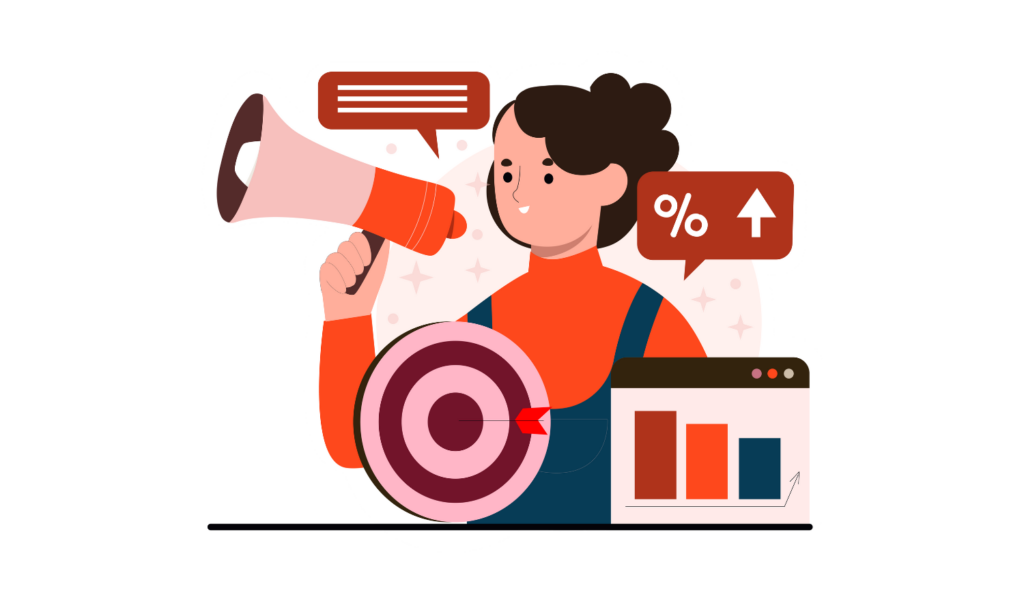
Digital marketing is the use of online platforms, technologies, and data to promote your products or services, connect with your audience, and drive measurable business growth.
In simple terms:
Digital marketing is how your business gets discovered, trusted, and chosen online.
Unlike traditional marketing, digital marketing allows you to:
- Reach the right audience
- At the right time
- With the right message
- And track every result
How Digital Marketing Has Changed by 2026
Digital marketing today is smarter, faster, and more human than ever before.
Here’s what’s different in 2026:
1. AI Is No Longer Optional
AI tools now help businesses:
- Create content faster
- Analyze customer behavior
- Optimize ads automatically
- Personalize user experiences
But AI supports strategy—it doesn’t replace human creativity.
2. Privacy & Trust Matter More
With stricter data laws and cookie limitations, brands must:
- Be transparent
- Build trust
- Focus on consent-based marketing
Customers choose brands they trust, not just ones they see often.
3. Short-Form & Interactive Content Dominates
Attention spans are shorter.
Videos, reels, stories, polls, and interactive content perform better than long ads.
4. Performance Over Popularity
Likes and followers matter less than:
- Leads
- Sales
- Retention
- ROI
Businesses now focus on results, not vanity metrics.
1. Search Engine Optimization (SEO)
SEO helps your business appear on Google when people search for solutions you offer.
In 2026, SEO focuses on:
- Helpful content
- User experience
- Voice and AI search optimization
- Local SEO for nearby customers
Example:
If you own a salon in Pune, SEO helps you rank for
“Best hair salon near me”
2. Content Marketing
Content builds trust before selling.
This includes:
- Blogs
- Videos
- Social media posts
- Case studies
- Guides and FAQs
Good content answers questions before customers even ask them.
3. Social Media Marketing
Social media in 2026 is less about posting daily and more about strategic presence.
Platforms businesses focus on:
- Instagram & Facebook (branding + ads)
- LinkedIn (B2B & professionals)
- YouTube (long-term authority)
- WhatsApp & Telegram (direct communication)
Social media is where relationships are built.
4. Paid Advertising (Performance Marketing)
Paid ads help you get results faster.
This includes:
- Google Ads
- Meta (Facebook & Instagram) Ads
- YouTube Ads
- LinkedIn Ads
In 2026, ads are:
- AI-optimized
- Highly targeted
- Conversion-focused
You only pay when your ad works.
5. Email & WhatsApp Marketing
Email isn’t dead—it’s evolved.
Businesses now use:
- Personalized email campaigns
- WhatsApp broadcasts
- Automated follow-ups
This is where repeat sales and loyalty happen.
6. Website & Landing Page Optimization
Your website is your digital office.
In 2026, a good website must:
- Load fast
- Be mobile-first
- Be conversion-focused
- Clearly communicate value
A beautiful website without conversions is just decoration.
7. Analytics & Data Tracking
Digital marketing works because it’s measurable.
Businesses track:
- Website traffic
- Leads
- Sales
- Customer behavior
- ROI
Decisions are now data-backed, not guesswork.
Why Digital Marketing Is Important for Businesses in 2026
Here’s why businesses cannot ignore digital marketing anymore:
- Customers research online before buying
- Competition is digital-first
- Traditional marketing is expensive and hard to measure
- Online presence builds credibility
- Digital marketing scales with your business
Whether you’re a startup, local business, or established brand—digital marketing levels the playing field.
Common Myths About Digital Marketing
Myth 1: Digital marketing is only for big companies
👉 Reality: Small businesses benefit the most
Myth 2: Social media alone is enough
👉 Reality: It’s just one part of the ecosystem
Myth 3: Results are instant
👉 Reality: Sustainable growth takes strategy and consistency
How Businesses Should Start Digital Marketing in 2026
If you’re a beginner, start simple:
- Define your business goal (leads, sales, awareness)
- Build a strong website
- Focus on one or two platforms
- Create helpful content
- Use paid ads strategically
- Track results and optimize
You don’t need to do everything—you need to do the right things.
Conclusion
Digital marketing in 2026 is not about chasing trends.
It’s about understanding your audience, building trust, and delivering value consistently.
Businesses that adapt, learn, and invest wisely in digital marketing will not just survive—they will grow faster than ever.
If your business isn’t visible online, for many customers, it simply doesn’t exist.